

When Less Isn’t More
In the quest for healthier meals, home cooks often hear advice from experts telling them to use less of certain ingredients. The usual suspects on the “use less” list are butter, salt, sugar, and processed meats like bacon. The problem is that these ingredients can be overused. They’re certainly delicious, but not very healthy when piled on—which leads to the advice to use less.
But while cooking with less can make foods healthier, it doesn’t really sound like a recipe for wonderful home-cooked meals. It sounds more like a recipe for depriving ourselves!
What we really want as home cooks is to create foods that are wonderfully delicious. And to do that, we need advice for adding more, not less—more flavor, that is.
That’s where expert chefs come in. They know the tricks and tips we can use to help add flavor, not take it away. From pairing the right food with the perfect herb or spice, to sautéing in extra virgin olive oil, to using fresh fruits and veggies packed with the flavors of the season, to knowing just how to sear or simmer a dish for optimal flavor—chefs have an incredible variety of ideas we can use at home to layer on the healthy flavors.
A Chef’s Secrets

Chef Matthew Apice
That’s why we invited Executive Chef Matthew Apice to talk with us about a healthy cooking secret that many home cooks haven’t heard about yet. And even for those who are aware of this flavor-adding twist, few really know how much flavor is possible with this simple chef trick.
The secret that Chef Matt is so excited about: Adding a touch of acidity to dial up the healthy flavors! Chef Matt is passionate about how this simple step can boost the flavor of healthy foods, ensuring no one will miss the less healthy ingredients they replace.
“There aren’t too many dishes that I don’t finish with acidity, whether it’s a squeeze of lemon or lime juice or a splash of balsamic or apple cider vinegar,” shares Chef Matt. “Bright, acidic flavors are on trend right now, and I’m glad to see it.”
Even more reason to dive into cooking with acidity! Read on for Chef Matt’s expert advice—and learn how these healthy ingredients can take your homemade meals to the next level.
Magical Ingredients

Grilled seafood with lemon. Unforgettable marinara sauce. Chicken piccata. Tomato shakshuka. A summery Caprese salad drizzled with balsamic reduction.
What do these wide-ranging dishes have in common (besides deliciousness)? They benefit from acidic ingredients, such as citrus fruits, tomatoes, vinegar, and wine. You may not even realize they’ve been added to your favorite meals but make no mistake: Adding acidic foods and flavors can make a dramatic difference in how something tastes.
Coincidentally, these ingredients are often what give restaurant meals that indescribable deliciousness.
“Whether it’s a salad, stew, or sauce, most dishes are finished with an acidic ingredient like citrus, vinegar, and more,” Chef Matt tells us. “It balances out the flavors and makes it a whole lot better.”
Better yet, these versatile ingredients contain almost no sodium, and, in the case of citrus fruits, are high in immune-supporting vitamin C—so you can use them as much as you want. (Although a little goes a long way; more on this later!)
What Acidity Brings to the Table
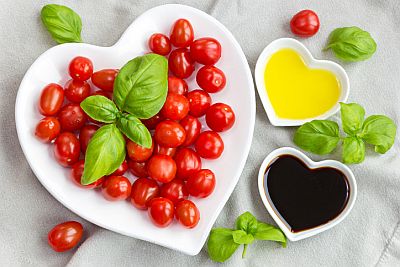 Why do acidic foods deliver such big flavor? It all boils down to the pH level, something you may remember from high school chemistry class. A substance’s pH is measured on a scale of 1 to 14; 7 is neutral, anything higher than 7 is alkaline, and anything lower than 7 is acidic.
But for the purposes of healthy home cooking, all you really need to know is which foods are acidic. Hint: If something tastes sharp and tangy or makes your mouth pucker, then it’s probably because of its acidity.
Similar to salt, acidic foods cause you to salivate just a bit more. And that extra saliva adds to your eating experience in perhaps some unexpected ways. Think about a hot bowl of chili—a little dollop of tangy sour cream delivers its own distinct flavor while somehow also making the chili taste lighter and bringing out the complexity of the chili flavors.
“An acidic component not only adds brightness and character, but also cuts through richness,” Chef Matt explains. “Acidic ingredients interact with other flavors, whether it’s balancing out a flavor that’s coming on too strong, like bitterness, or bringing out the sweetness. All those flavors work together to create the final dish.”
Cooking with Acidity

Get Recipe: Roasted Beet, Orange & Arugula Salad
When you see “splash of balsamic vinegar,” “juice of 1 lemon,” or “2 tablespoons of dry white wine” toward the end of a recipe, you may be tempted to skip it. Who wants to head back to the store or open up a new bottle only to use a small amount?
But take it from Chef Matt: Acidic ingredients exist for a reason. Sure, you could leave it out, but you’ll miss out on elevated flavor.
Acidic foods can also be a lifesaver when you’re winging it in the kitchen, not necessarily following a recipe to a T.
Does your concoction taste a little too sweet, too bitter, too rich, or too bland—or maybe you can’t put your finger on what’s missing? Don’t automatically reach for the salt shaker when adding acidity could be the right (and ultimately healthier) answer.
Chef Matt encourages us to think of acidic ingredients as a finishing touch. For brighter flavor, add acidity toward the end of the cooking process. If you’re after a more mellow taste, add it sooner or let the dish simmer longer.

Get Recipe: Lemon Garlic Shrimp Linguine
Acidic flavors tend to be on the strong side, and it’s easy to go overboard. That’s why Chef Matt recommends adding that lemon juice or vinegar gradually instead of all at once.
“Season with a little splash, then taste it. If a recipe calls for two tablespoons of vinegar, I’d start with a half tablespoon instead and work upward from there,” he advises. “You can always add more, but you can’t take it away.”
New to these robust acidic flavors? Feel free to substitute, he adds. “If a recipe calls for lime juice but you find it too strong, lemon juice might be better for you. Lemons tend to be a little sweeter and not as pungent,” Chef Matt offers. “Or if you’re looking to finish something with a vinegar, maybe skip the aged balsamic and use red wine vinegar, which is a lot milder.”
Double-Duty
Acidic ingredients often serve a dual purpose in the kitchen, as well. You can use them to:
- Deglaze pans: A couple tablespoons of vinegar or wine can capture all those flavorful brown bits left from searing meat and other ingredients. (Most of the alcohol content will burn off during cooking.)
- Preserve a food’s flavor and color: Add a tablespoon of white vinegar to 4 quarts of water when blanching vegetables like carrots or green beans, Chef Matt says. This will help the veggies maintain their gorgeous, just-picked colors. That’s one reason why vinegar is the leading ingredient in pickled vegetables.
- Marinate meat: Vinegars and citrus juices are key ingredients in many marinades, and for good reason. Not only do they add tons of flavor, but they also break down proteins to help tenderize those flank steaks, chicken breasts, and fish fillets. Just be careful, as too much time with an acidic marinade can give meat a mushy texture, Chef Matt warns. Limit the marinating time to 20 minutes for more delicate proteins, such as fish, or up to 2 hours for tougher cuts like pork or beef.
Chef Matt also recommends using acids sparingly in dairy-based dishes. “You can add a little acid to a cream-based soup or pasta dish, but too much acid can lead to curdling,” he explains.
Perfect Pairings
Ready to start cooking? We asked Chef Matt to give us his favorite pairings that showcase bright, acidic flavors, and he was brimming with ideas. Start with a food you already know and love and see how a hint of acidity can take it up a notch!
Leafy Greens
Pairs well with acidity from: Lemon juice, balsamic vinegar, sherry vinegar
Good to know: Boosts iron absorption from greens (thanks to vitamin C)
Recipe to try: Harvest Kale Salad
Avocado
Pairs well with: Lime juice, apple cider vinegar, pomegranate molasses
Good to know: Prevents browning, adds tang to creamy texture
Recipe to try: Harissa Avocado Toast
Broccoli and Cauliflower
Pairs well with: Rice vinegar, lemon juice
Good to know: Reduces bitterness, adds brightness
Recipe to try: Cauliflower Tabbouleh
Tomatoes
Pairs well with: Balsamic vinegar, red wine vinegar
Good to know: Deepens umami and sweetness
Recipe to try: Watermelon Tomato Salad
Cucumbers, Carrots, Radishes
Pairs well with: Rice vinegar, lime juice
Good to know: Refreshing, perfect for quick pickles or salads
Recipe to try: Tandoori Chicken Wrap
Beets
Pairs well with: Orange juice, balsamic vinegar
Good to know: Brings out natural sweetness and balances earthiness
Recipe to try: Roasted Beet, Orange and Arugula Salad
Roasted or Grilled Vegetables
Pairs well with: Aged balsamic vinegar
Good to know: Balances the charred flavor
Recipe to try: Orange Balsamic Grilled Eggplant
Berries and Stone Fruit (e.g., Peaches)
Pairs well with: Lemon juice, balsamic glaze
Good to know: Enhances tartness and sweetness, perfect for salads or desserts
Recipe to try: Grilled Peach Arugula Salad
Grains (e.g., Brown Rice, Barley, Quinoa)
Pairs well with: Lemon juice, red wine vinegar
Good to know: Enhances flavor, makes grain salads brighter
Recipe to try: Lemon Basil Barley Salad
Sweet Potatoes
Pairs well with: Apple cider vinegar, lime juice
Good to know: Cuts through sweetness
Recipe to try: Cauliflower Sweet Potato Salad with Ginger Turmeric Vinaigrette
Grilled Chicken
Pairs well with: Balsamic vinegar, citrus marinade
Good to know: Tenderizes meat, enhances flavor
Recipe to try: Balsamic Chicken and Pears
Fish (white/delicate), Shrimp, Other Seafood
Pairs well with: Lemon juice, white wine vinegar
Good to know: Pairs perfectly without overtaking the fish
Recipe to try: Lemon Garlic Shrimp Linguine
Fatty Fish (e.g., Salmon)
Pairs well with: Citrus, balsamic vinegar, sherry vinegar
Good to know: Cuts through the fattiness of the fish, enhances flavor
Recipe to try: Grilled Salmon Panzanella Salad
Lentils
Pairs well with: Sherry vinegar, lemon zest
Good to know: Balances earthiness with acidity
Recipe to try: Spinach Lentil Fritters
Tofu
Pairs well with: Rice vinegar, lime juice
Good to know: Adds flavor depth, especially in stir-fries or salads
Recipe to try: Tofu Pho
Cooking on the Bright Side
We hope Chef Matt’s tips on cooking with acidity have given you some new ideas to liven things up in the kitchen. Next time a homemade dish needs a little extra something, you’ll know where to turn!
For more recipe inspiration, check out our searchable recipe database.
Note: Since everyone’s health history and nutritional needs are so different, please make sure that you talk with your doctor and a registered dietitian to get advice about the diet and exercise plan that‘s right for you.