

When it comes to eating for health, the first word that comes to mind for all too many people is “sacrifice.”
There’s a perception that the healthier you eat, the more you have to give up. The very idea of “health food” often brings to mind bland proteins, spartan salads, and joyless deprivation.
But what if one of the healthiest ways to eat also happened to be one of the most delicious? What if we could eat flavorful, satisfying, and thoroughly enjoyable foods while also boosting our overall health and wellbeing, and dramatically reducing your risk of heart disease, cancer, cognitive decline, and more?

Registered Dietitian Lauren Seagriff
Luckily, thanks to the most up-to-date nutrition research, we now know that we can. And the secret goes back hundreds if not thousands of years—way back to a part of the world known for its rich, flavorful, and even indulgent food traditions—Italy, Greece, Spain and other countries bordering the Mediterranean Sea.
In this special part of the world something we now know as the Mediterranean diet became a lifestyle that nourished a culture of wellbeing and the love of food. Here, with the help of registered dietitian Lauren Seagriff, we highlight what makes the Mediterranean style of eating so healthy and delicious.
A Food Culture Combining Health and Flavor
Lauren tells us that, “The Mediterranean diet isn’t really a ‘diet.’ It’s a way of life rooted in centuries-old food traditions.”
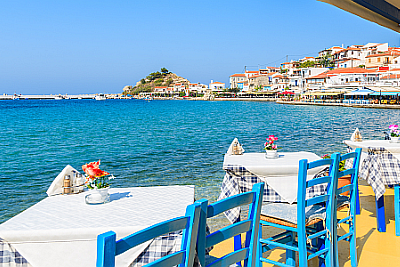 Decades ago, studies began to reveal that people living in Mediterranean regions had notably lower rates of heart disease, and longer and healthier lives. Researchers became curious: What were these populations eating, and why did it seem to protect them so powerfully? They certainly weren’t dieting the way we typically think about the word today.
Instead, they were enjoying a food culture that featured a deeply satisfying, flexible approach to eating built around simple, fresh, minimally processed ingredients. Fish and seafood appeared regularly on the table, while poultry, eggs, and dairy played supporting roles.
Red meat was enjoyed, but occasionally, and was used to add depth to a dish, not as the centerpiece. They ate an abundance of colorful fruits and vegetables; whole grains like farro, bulgur, and whole wheat bread; legumes such as chickpeas, lentils, and white beans; nuts and seeds; and generous amounts of extra-virgin olive oil.
And the Mediterranean diet wasn’t eaten in isolation. It was a social experience. A central component continues to be shared meals, unhurried conversations, and an appreciation for the pleasure of food. UNESCO, a United Nations agency, has even recognized the Mediterranean diet as a unique cultural heritage, acknowledging that its value extends well beyond what ends up on the plate.
“The Mediterranean diet is remarkable as a healthy lifestyle,” Lauren says. “One of the best parts about it is that it doesn’t feel like you’re on a diet. Unlike trendy eating plans that promise results but require what feels like superhuman willpower and sacrifice, the Mediterranean approach is something that you’ll want to stick with, because it’s genuinely so enjoyable.”
Powerful Health Benefits
Few eating patterns have been studied as extensively, or have results as consistently impressive, as the Mediterranean diet. Lauren spotlights several of the key benefits.
Heart Health: The Flagship Benefit
The connection between the Mediterranean diet and cardiovascular health is perhaps the most extensively documented in all dietary science. Lauren notes, “the impact of the Mediterranean diet on heart health is powerful.”
A major study found that those assigned to a Mediterranean diet supplemented with extra-virgin olive oil or nuts experienced an approximately 30% reduction in major cardiovascular events.
The American Heart Association has noted that this style of eating can play a significant role in preventing heart disease and stroke.
Longevity: Living Longer and Better
Another major study found that those who most closely followed a Mediterranean diet had a more than 20% lower risk of dying from any cause during the study period—with significant benefits for both cancer and cardiovascular mortality.
And longevity gains were associated with benefits including reduced inflammation, better insulin sensitivity, and healthier cholesterol levels.
Brain Health: Protecting What Matters Most
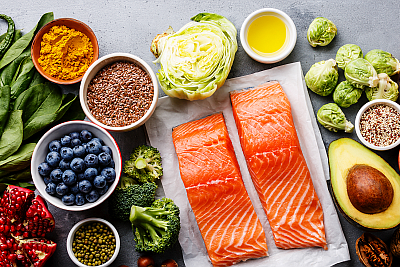 The evidence connecting the Mediterranean diet to brain health is among the most exciting and rapidly growing.
A recent study found that adherence to the Mediterranean diet was associated with an approximately 30% reduction in the incidence of Alzheimer’s disease. Another study found that those who followed the Mediterranean diet were significantly less likely to experience age-related cognitive decline.
It’s believed that the rich supply of anti-inflammatory compounds, antioxidants, and healthy fats—including the polyphenols in extra-virgin olive oil—may help protect the brain from the oxidative stress and neuroinflammation that may drive cognitive aging.
Cancer Prevention: A Growing Body of Evidence
The relationship between the Mediterranean diet and cancer risk has been a subject of intense scientific interest. The diet’s anti-inflammatory and antioxidant properties are thought to be supportive of cancer prevention and improved outcomes for cancer survivors.
Metabolic Health: Blood Sugar, Weight, and Beyond
The Mediterranean diet has demonstrated meaningful benefits for metabolic health, including type 2 diabetes prevention and management, weight control, and blood sugar regulation.
Combined with physical activity, the diet has even been shown to improve bone mineral density over three years, a finding with significant implications for osteoporosis prevention.
Wellbeing and Quality of Life
 The effects of the Mediterranean diet may extend beyond physical health.
There is evidence of an association between adherence to the Mediterranean diet and improved quality of life, encompassing physical, mental, and social wellbeing.
Separate research has linked the eating pattern to a reduced risk of depression.
These findings reinforce the idea that what we eat shapes not just how long we live, but how well we live.
Environmental Sustainability
Because the Mediterranean pattern of eating is predominantly plant-based—built around vegetables, legumes, whole grains, olive oil, nuts, and fruits, with modest amounts of fish and poultry and relatively little red meat—it is more environmentally sustainable.
“Studies have consistently shown the Mediterranean diet has a significantly lower carbon footprint than typical American or Northern European diets,” Lauren says.
Why It’s Really Not a Diet
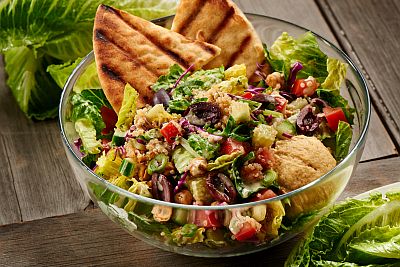
Get Recipe: Mediterranean Quinoa Salad
Today, the word “diet” implies restriction, short term goals, and unappetizing food. The Mediterranean way of eating rejects all three.
“This is a cuisine that celebrates a food culture focused on flavor,” Lauren emphasizes.
Lauren highlights some of her favorite Mediterranean dishes like hummus drizzled with extra virgin olive oil, grain salads topped with herb roasted vegetables and chickpeas, and grilled fish with capers and lemon.
She loves that simple pastas with sautéed greens, garlic, and white beans; Greek yogurt with honey and walnuts; and many other delicious dishes make for endless variation.
Extra-virgin olive oil, at the center of the Mediterranean diet, deserves particular mention. It’s used generously for cooking, drizzling, and dipping. It’s rich in monounsaturated fats, polyphenols, and vitamin E, and researchers believe that the liberal use of high-quality olive oil contributes significantly to the diet’s cardiovascular and anti-inflammatory benefits.
Beans, lentils, and chickpeas are other Mediterranean staples that deserve a spotlight. They are among the most nutrient-dense, fiber-rich, protein-packed, and affordable foods, and they form the backbone of countless Mediterranean dishes.
Herbs and spices play an important role, too: Oregano, basil, rosemary, thyme, mint, and parsley contribute not just flavor but a wealth of antioxidants.
The Mediterranean diet is inherently flexible. There is no single “correct” version of it. The traditional foods of Greece differ from those of coastal Morocco or southern Spain, and all of them reflect the local seasons, ingredients, and culinary traditions. This built-in adaptability means that Mediterranean-style eating can be embraced by people with a wide range of tastes, budgets, and backgrounds.
Simple Ways to Start
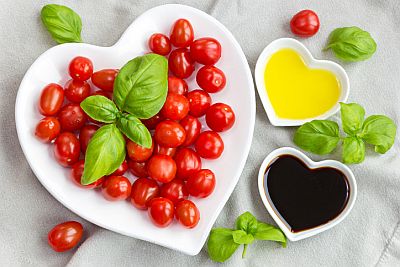 One of the most exciting things about the Mediterranean diet is how simple it is. You don’t need to overhaul your kitchen, buy exotic ingredients, or follow a rigid meal plan. Lauren suggests some practical ways to get started.
Make olive oil your go-to fat. Swap butter and other oils for extra-virgin olive oil in cooking, for drizzling over vegetables, and for dipping bread. It’s not just healthier; it’s also uniquely delicious.
Load up on vegetables. Aim to make vegetables—roasted, sautéed, grilled, or raw—the largest portion of your lunch and dinner. Variety is key. The more colorful your plate, the better.
Embrace legumes. Add chickpeas, lentils, or white beans to soups, salads, pasta dishes, and grain bowls. They are satisfying, inexpensive, and nutritious.
Eat fish at least twice a week. Fatty fish such as salmon, sardines, mackerel, and trout are particularly valuable for their omega-3 content. Even canned fish, like sardines with olive oil and quality tuna, count.
Go whole grain. Choose whole wheat bread, farro, barley, bulgur, or brown rice over refined grains. The fiber and nutrients in whole grains are a significant part of what makes this eating pattern so beneficial.
Snack on nuts and fruit. A small handful of almonds, walnuts, or pistachios alongside a piece of fresh fruit is a genuinely satisfying snack that aligns beautifully with Mediterranean principles.
Use herbs and spices generously. Mediterranean cooking relies on fresh and dried herbs such as oregano, basil, thyme, rosemary, parsley, rather than salt as the primary flavoring.
Mediterranean Meal Ideas
Lauren shares some ideas for Mediterranean-style meals and snacks.
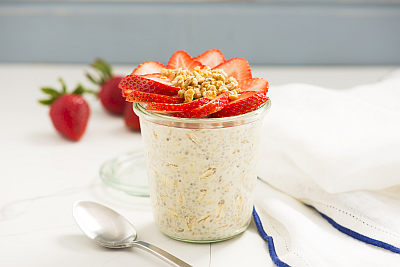
Get Recipe: Strawberry Overnight Chia Oats
Breakfast
Prep 2–3 days at a time
- Overnight oats with fruit and nuts (oats, milk, banana/apple/berries, a few almonds)
- Greek yogurt with honey and berries
- Whole grain toast, peanut butter, and sliced banana
Lunch
Batch cook; mix and match
- Chickpea salad bowls (chickpeas, cucumber, tomato, olive oil, lemon, herbs)
- Lentil soup (big pot = multiple days)
- Hummus and veggie wraps (carrots, cabbage, lettuce in pita or tortilla)
- Mediterranean pasta salad (pasta, olives, a little feta, chopped veggies)
Dinner

Get Recipe: Moroccan Vegetable Stew
Cook once, eat 2–3 times
- Vegetable and Bean Stew (white beans, tomatoes, carrots, onions, garlic; serve with bread or rice)
- Baked Chicken and Potatoes (use inexpensive cuts like thighs; add onions, carrots, olive oil, herbs)
- Stuffed Peppers or Cabbage (fill with rice, lentils, spices)
- Eggplant and Chickpea Tomato Bake (roast eggplant with canned chickpeas and tomato sauce)
- Simple Fish Night 1-2x per week (canned tuna or sardines; serve with salad and bread
Snacks
Prep once, grab anytime
- Hummus and carrots/celery
- Hard-boiled eggs
- Apples or oranges
- Roasted chickpeas
- A handful of nuts (buy in bulk)
The Bottom Line
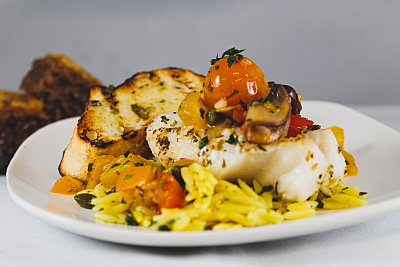
Get Recipe: Greek Style Baked Cod with Orzo
The Mediterranean style of eating offers so many benefits. Amid a sea of dietary noise and short-lived fads, the Mediterranean diet stands in a category of its own. Lauren sums it up perfectly: “You won’t feel like you’re on a diet – you’ll just enjoy a wide array of foods that you’ll truly look forward to eating!”
If you want to try more Mediterranean-style meals and snacks, start by looking for recipes on our website here. There are also a wide variety of wonderful resources to explore for ideas and inspiration. Here are just a few to get you started:
More Resources and Inspiration
- Oldways — A nonprofit that helped create the original Mediterranean Diet Pyramid in partnership with Harvard and the WHO. Their site offers meal plans, recipes, and an interactive food pyramid to help you get started.
- The Mediterranean Dish — Founded by New York Times bestselling author Suzy Karadsheh, this is one of the most popular go-to destinations for modern, approachable Mediterranean recipes.
- Olive Tomato — Run by registered dietitian Elena Paravantes, who was raised on the Mediterranean Diet, this site covers authentic recipes, cooking tips, meal plans, and the latest nutrition research.
Cooking Videos
- The Mediterranean Dish — Suzy Karadsheh’s YouTube channel brings her website’s trusted recipes to life with step-by-step video instruction and big, bold Mediterranean flavors.
- Mediterranean Minutes — Hosted by Caroline, a Stanford-trained health educator and author, this YouTube channel covers Mediterranean diet tips, healthy recipes, and lifestyle guidance, with free meal plans and printable PDFs available on her newsletter.
- Food Network’s Mediterranean Recipe Collection — A curated YouTube playlist of Mediterranean-inspired dishes from Food Network chefs, featuring light, fresh recipes packed with vegetables and herbs that is great for cooking inspiration.
Note: Since everyone’s health history and nutritional needs are so different, please make sure that you talk with your doctor and a registered dietitian to get advice about the diet and exercise plan that‘s right for you.