

Why Small Doses of Activity Can Add Up to Big Health Benefits
“Sitting is the new smoking.”
“A body in motion stays in motion.”
“Exercise is the best medicine.”
“Motion is lotion.”

Hannah Libera, RD and Certified Health Coach
Chances are that you’ve heard sayings like this before. They can certainly get your attention—but have you ever stopped to wonder what they really mean?
It all boils down to this: Our bodies were designed to move, and regular movement is essential for good health.
“Movement is like maintenance for our body to keep it functioning well, physically and mentally,” says Hannah Libera, a registered dietitian and certified health coach.
It’s no surprise that physical activity is good for you. However, you may be surprised to learn what counts as movement. Major sweat sessions are great, but many everyday activities can be just as beneficial.
With help from Hannah, we break down the science behind these popular mottos and explore how small bursts of effort can add up to big impact.
We Were Built to Move
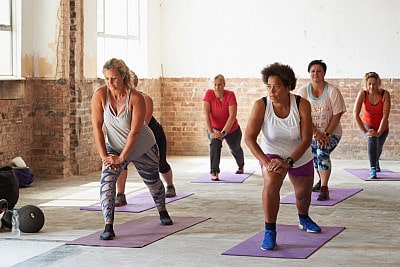 Fun fact: The human body contains more than 600 muscles to power our movement, from running and lifting heavy objects to something as small as smiling or blinking.
Put another way, our bodies were not designed to sit all day. However, many of us spend a good part of our waking hours doing exactly that—in the car, at a desk, or on the couch. In fact, the average American spends 9.5 hours a day sitting.
“Sedentary lifestyles are becoming more prevalent because of our occupations and workspaces. There’s a lack of available spaces for exercise. Plus, there’s just more media and devices that encourage people to sit and watch a screen,” Hannah explains. “That wasn’t part of our lifestyle even 20 years ago.”
Your body will tell you when it needs more movement. Experts point to fatigue, poor posture, and back and joint pain as signs that you need to sit less and move more.
“Think of your body as a machine. If you let a machine sit for too long, it will get rusty, and the parts will stop moving as well as they did before,” Hannah adds.
The Downsides of Staying Still
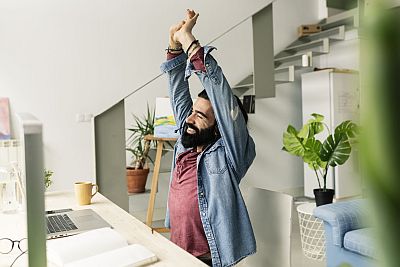 A sedentary lifestyle has become so commonplace that it’s easy to overlook its role in our health. Research shows that being inactive puts people at higher risk for heart disease, obesity, type 2 diabetes, loss of bone density, muscle weakening, depression, certain cancers, and more. That’s a lot of issues from just sitting too much!
What’s more, the effects of prolonged sitting add up even if you exercise regularly and keep your weight in a healthy range, according to the Cleveland Clinic.
Why does this happen? When you sit for long periods, your body becomes less active both inside and out. The internal processes that help regulate blood sugar, break down fats, and protect against inflammation slow down.
“If you’re not exercising, your metabolism isn’t being stimulated. You’re not developing your muscles. You’re not releasing endorphins, which can help relieve stress,” says Hannah. Over time, this pattern can lead to health problems.
The Many Benefits of Movement
Physical activity is so potent, it’s often said we’d bottle it if we could—and we’re constantly learning about new benefits. Regular activity has been shown to provide a long list of benefits:
- Live longer and with better quality of life.
- Manage our weight, which can help prevent many conditions like type 2 diabetes and heart disease.
- Strengthen our bones.
- Build and preserve muscle, which is especially important for healthy aging.
- Fend off common infections like colds and flu.
- Have more energy.
- Improve brain health, such as sharpening critical thinking skills and lowering risk for dementia.
- Sleep better.
- Enhance mood, including processing emotions and easing symptoms of depression and anxiety.
- Lubricate joints, which can prevent stiffness and relieve arthritis pain.
- Improve skin health.
- Improve balance and coordination, which can help prevent falls in older adults.
“Movement gives you instant and long-term benefits. It also tends to get you outdoors, which has its own positive benefits,” Hannah points out.
The Science of “Exercise Snacks”
Being active doesn’t have to mean training for a marathon (unless, of course, that’s your thing!) It means moving more throughout the day, which naturally translates into sitting less.
 Enter the idea of exercise snacks. If a half-hour jog is the equivalent of a full meal of activity, then a snack-sized portion could look like a walk around the block or a quick vacuum of your living room. The most recent research reveals that these smaller bursts of exercise, lasting 10 minutes or less, have real health and wellness benefits.
For example, one study found that five extra minutes of exercise, combined with 30 minutes less sitting each day, could help people live longer. Other research showed that adding just four minutes of high-intensity daily activity, such as taking the stairs, could help women cut their risk of heart attacks by half.
A European study published in 2022 demonstrated that people who spent between 15 and 19 minutes per week engaged in vigorous exercise—meaning they were working hard enough that they couldn’t easily talk—had a lower risk of developing cancer or heart disease, or of dying. The more the subjects moved, the better their long-term health turned out to be. Those research findings also suggested that spreading high-intensity activity throughout the day could be especially helpful.
So even if you only have a couple of minutes, you have time to improve your health and longevity! The benefits increase with intensity, according to Harvard Health, but what matters most is getting your heart rate up. A mix of light, moderate, and vigorous activity can certainly do the trick.
“Many common activities count, even if you don’t quite break a sweat,” Hannah explains. “This is good news if you don’t love traditional exercise or struggle to squeeze it into your schedule.”
Practical Ways to Move More
 Official guidelines still recommend at least 150 minutes of moderate aerobic exercise each week (usually broken down to 30 minutes, five days a week, plus strength training twice a week). That’s a good goal for most people, whether you prefer to walk, jog, swim, play team sports, or attend fitness classes.
However, it’s estimated that less than a quarter of U.S. adults meet the recommendations. Counting exercise snacks toward the goal not only changes how we think about physical activity—it can be a source of encouragement, too. It opens up easier, more accessible ways to get the exercise we all know is so important for our health.
The best forms of movement are ones you like and can maintain.
“Focus on finding something that’s sustainable, realistic, and that you can fit into your daily life,” Hannah advises. “Finding something fun to do while you’re moving is a great way to disguise exercise as something you actually enjoy. You never know what you’re going to fall in love with.”
Hannah suggests the following practical ways to move more and sit less throughout the day.
Break up prolonged sitting.
Try to avoid sitting for longer than an hour at a time—think watching TV and other screens, playing video games, studying, working at a desk, and long drives. Set a timer every 30-60 minutes to remind you to get up and do something active.
Try habit stacking.
 With this method, Hannah explains, you incorporate a new habit into an existing part of your routine. It could be pacing or standing during phone calls or walking over to talk with a colleague or neighbor instead of messaging them.
Stuck waiting in line or through a commercial break? Take the opportunity to stretch or do simple bodyweight exercises, such as squats.
Instead of sitting on the sidelines during your child’s sports practice, walk laps around the field or parking lot.
Reframe everyday tasks as movement.
Chores are an inevitable part of life—but you can use them as a chance to pick up the pace. Lawn mowing, walking the dog, vacuuming, gardening, and mopping can easily raise your heart rate. And completing these tasks consistently will help ensure you can continue to perform them as you age.
Reward yourself with a movement break.
Finish a major presentation or term paper? Treat yourself to a movement break, whether it’s a quick stretch, some jumping jacks, or a short walk. Put on your favorite song, podcast, or audiobook to make it even more enjoyable.
Team up.
Schedule time to walk with a neighbor or meet a friend for a game of ping pong or pickleball or to shoot hoops.
“Many people are motivated when they know someone will be there to meet them. Being active together can strengthen those relationships, too,” says Hannah.
Remember old standbys.
Tried-and-true advice still holds up. To help you sneak in those extra minutes of activity, climb the stairs instead of the elevator, park on the far side of the parking lot, or take the longer route walking from point A to point B.
Keep Up the Momentum
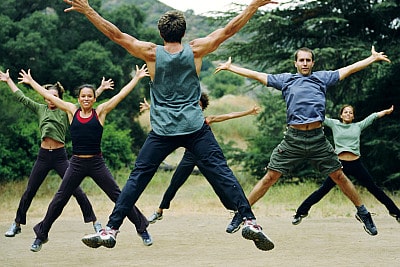 Remember: Movement is good for us, and every bit of it adds up to better health. Look at the big picture of how much you’re moving throughout the day. As long as you move more (and more often) than you did before, that’s a win.
“You don’t have to get the full 150 minutes per week right off the bat. You can start small with something more manageable and then build on that,” Hannah tells us. “It’s really hard to establish a new habit. Aim for progress, not perfection.”
Starting is often the most challenging part, she adds: “It’s important to remember that action often precedes motivation, not the other way around.” That means you don’t have to feel motivated before you start something. Instead, taking the first step often creates the motivation to keep going. In other words—don’t wait until you feel like doing it. Start doing it, and the motivation will follow.
As Hannah puts it, “Once you start seeing those positive benefits and noticing the way an activity makes you feel, you’ll be more likely to stick with it.”
Note: Since everyone’s health history and nutritional needs are so different, please make sure that you talk with your doctor and a registered dietitian to get advice about the diet and exercise plan that‘s right for you.